
Discover the romance and practicality of exploring Europe by train with tips on passes, routes, and planning.
European rail travel combines efficient transportation with scenic beauty, creating journeys as memorable as destinations. Extensive networks connect major cities and charming villages across the continent.
Rail passes simplify multi-country travel. Eurail passes cover thirty-three countries with flexible travel day options. Choose continuous passes for intensive travel or flexi passes allowing select travel days within a period. Individual country passes suit travelers focusing on single nations. Calculate whether passes save money by comparing against point-to-point tickets for your planned routes.
Scenic routes rival any other travel experience. Norway's Bergen Railway crosses mountain plateaus and passes alongside fjords. Switzerland's Glacier Express traverses Alpine landscapes between Zermatt and St. Moritz. Scotland's West Highland Line delivers dramatic Highlands scenery. The Cinque Terre route hugs Italy's Ligurian coast, connecting five colorful villages.
Booking strategies maximize savings and comfort. High-speed trains like TGV, ICE, and Frecciarossa require reservations alongside passes. Book these early for lower supplement fees. Regional trains typically allow hop-on flexibility without reservations. Night trains save on accommodation while covering long distances – modern sleeper cars offer surprising comfort.
Station navigation becomes intuitive quickly. European stations are generally well-signed in multiple languages. Arrive fifteen to twenty minutes early for high-speed trains. Platforms are announced on departure boards. Station facilities typically include luggage storage, restaurants, and tourist information.
Luggage management matters on trains. Keep bags manageable for overhead racks and platform navigation. Most trains offer luggage areas near doors. Lock bags or keep valuables close during overnight journeys.
First versus second class depends on budget and route length. Second class provides comfortable seating for most journeys. First class adds wider seats, quieter carriages, and sometimes meals on longer routes. Consider upgrading for overnight or full-day journeys.
Combining rail with other transport creates comprehensive itineraries. Ferries connect coastal destinations. Regional buses reach areas without rail service. Bike rental at stations enables countryside exploration from train-accessible towns.
Related Articles
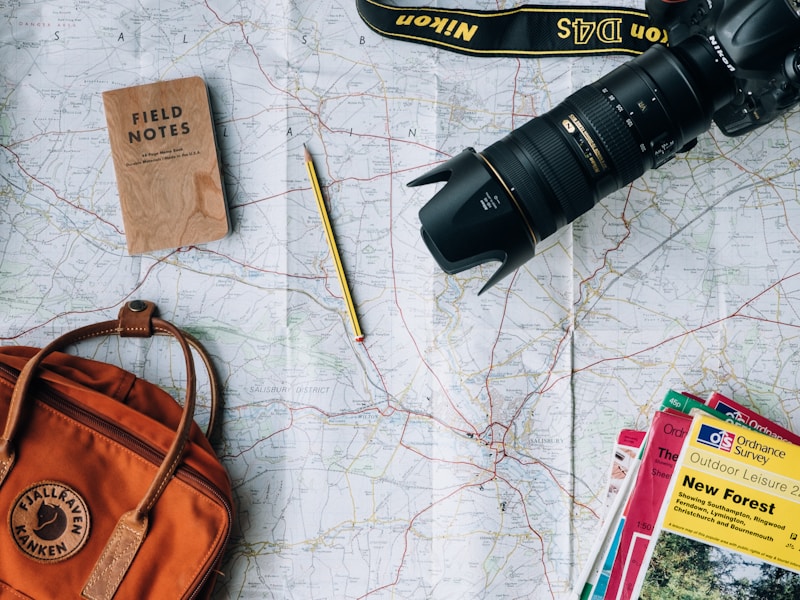
Hidden Gems of Europe: Off-the-Beaten-Path Destinations
Discover lesser-known European destinations that offer authentic experiences without the tourist crowds.
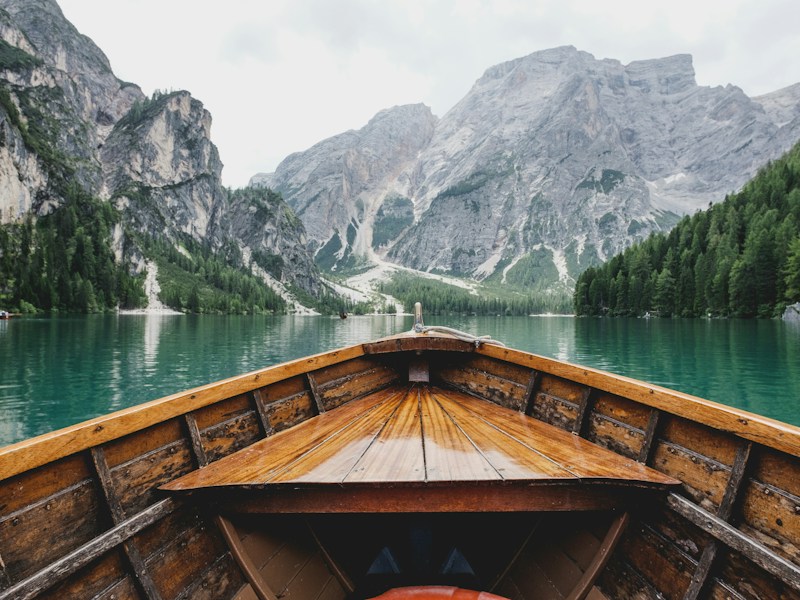
The Complete Guide to Sustainable Travel
Travel responsibly with these practical tips for reducing your environmental impact while exploring the world.
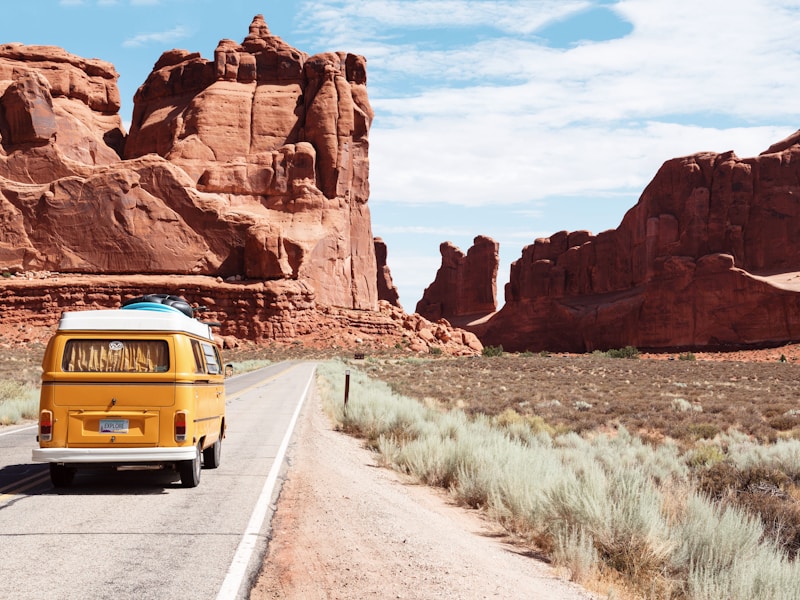
Solo Travel: Tips for Your First Independent Adventure
Everything you need to know about planning and enjoying your first solo travel experience.