
Elevate your travel photography with professional techniques for documenting adventures beautifully.
Travel photography preserves memories while sharing experiences with others. These techniques help create compelling images without requiring professional equipment.
Light makes or breaks photographs. Golden hour – the hour after sunrise and before sunset – provides warm, flattering light. Midday harsh light creates unflattering shadows; seek shade or shoot indoors during these hours. Overcast days provide even lighting perfect for portraits and reducing contrast.
Composition transforms snapshots into photographs. The rule of thirds places subjects off-center for dynamic interest. Leading lines draw viewers into images. Framing subjects through doorways or foliage adds depth. Experiment with perspectives – shoot from high above or ground level for unique viewpoints.
Include people to show scale and add life to scenes. Environmental portraits place subjects in context, telling stories about places. Ask permission before photographing people, respecting privacy and cultural norms. Candid shots often capture authentic moments better than posed photos.
Capture details alongside wide shots. Street signs, architectural elements, food dishes, and textures document places comprehensively. These details evoke memories as powerfully as iconic landmarks.
Research iconic shots beforehand but create your own interpretations. Arrive early to attractions avoiding crowds and getting better light. Explore beyond main viewpoints for unique perspectives others miss.
Smartphone cameras now rival dedicated cameras for many situations. Learn your phone camera's capabilities – portrait mode, night mode, and editing tools. However, understand limitations in low light and zoom situations.
Edit photos to enhance rather than transform. Adjust exposure, contrast, and color balance. Crop to improve composition. However, maintain realistic appearances respecting places and moments. Lightroom Mobile and Snapseed offer powerful free mobile editing.
Back up photos regularly while traveling. Cloud storage or external drives prevent losing irreplaceable memories to lost or damaged devices. Organize and cull photos periodically rather than dealing with thousands upon return.
Be present beyond the camera. Don't experience destinations only through viewfinders. Take photos, then put the camera away to simply enjoy moments. Balance documentation with engagement.
Respect rules and cultural sensitivities. Many places prohibit photography or require permits. Religious sites often have photography restrictions. Honor these rules showing respect.
Learn basic camera settings for dedicated cameras. Understanding aperture, shutter speed, and ISO allows creative control. Manual modes enable capturing challenging conditions automatic modes struggle with.
Storytelling sequences document experiences more completely than individual images. Capture establishing shots, details, actions, and reactions creating narrative arcs. These sequences transport viewers into your experiences.
Practice locally before trips. Learning equipment and techniques at home prevents fumbling during once-in-lifetime opportunities. Local practice builds skills applicable everywhere.
Related Articles
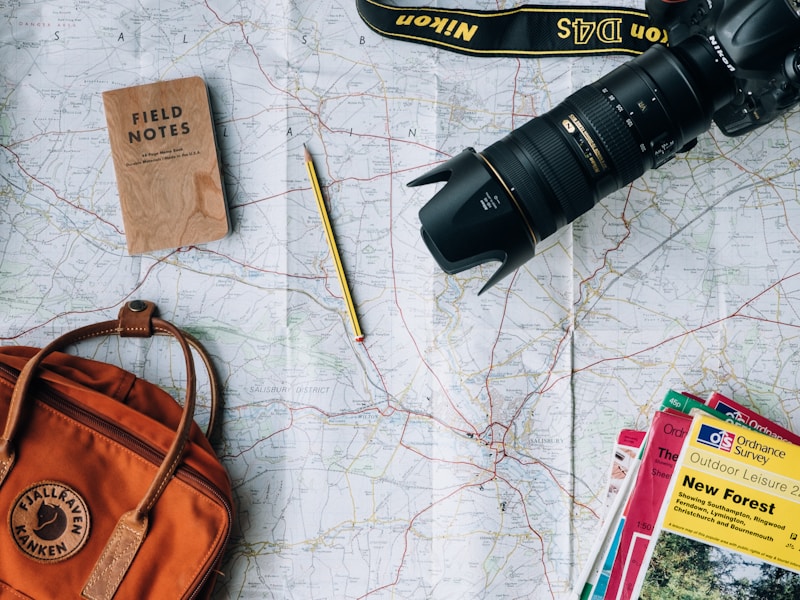
Hidden Gems of Europe: Off-the-Beaten-Path Destinations
Discover lesser-known European destinations that offer authentic experiences without the tourist crowds.
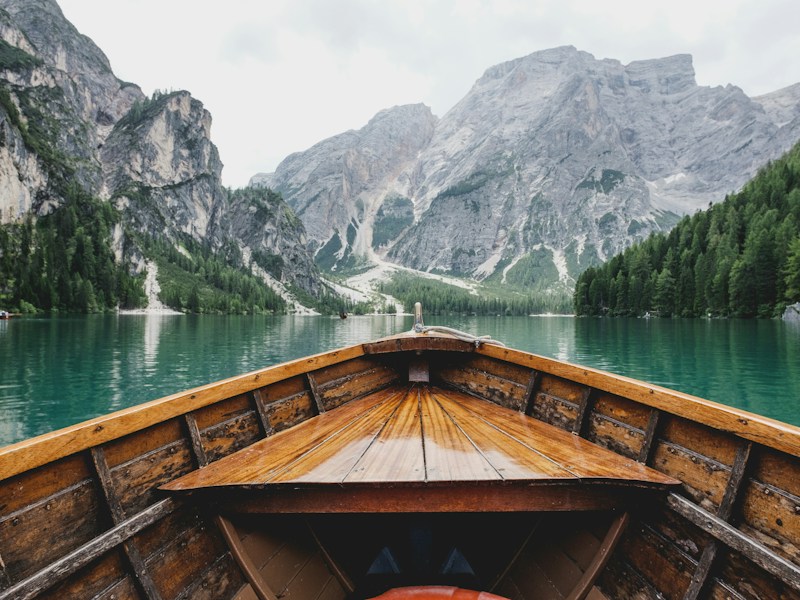
The Complete Guide to Sustainable Travel
Travel responsibly with these practical tips for reducing your environmental impact while exploring the world.
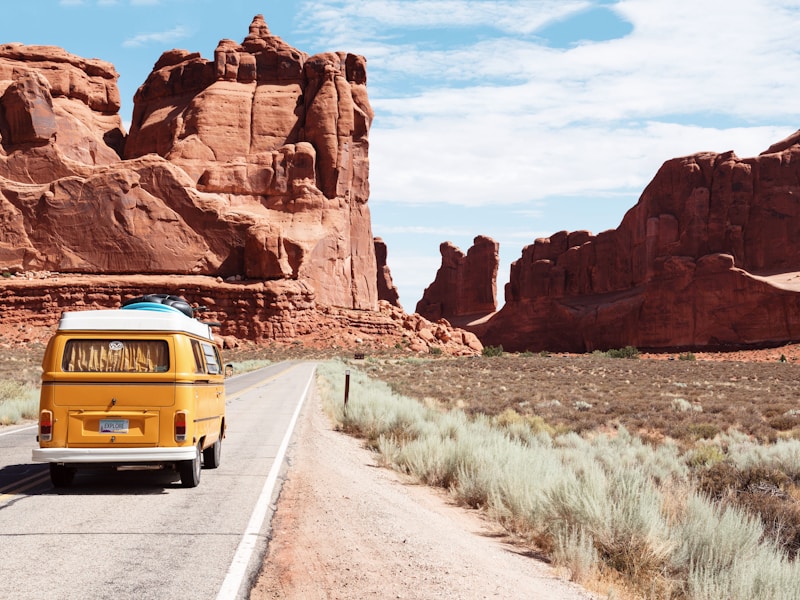
Solo Travel: Tips for Your First Independent Adventure
Everything you need to know about planning and enjoying your first solo travel experience.